
As global trade expands and consumer expectations rise, the demand for high-quality, durable, and cost-effective packaging continues to grow. This has pushed manufacturers to adopt advanced machinery and automated systems to improve productivity and maintain consistent quality.
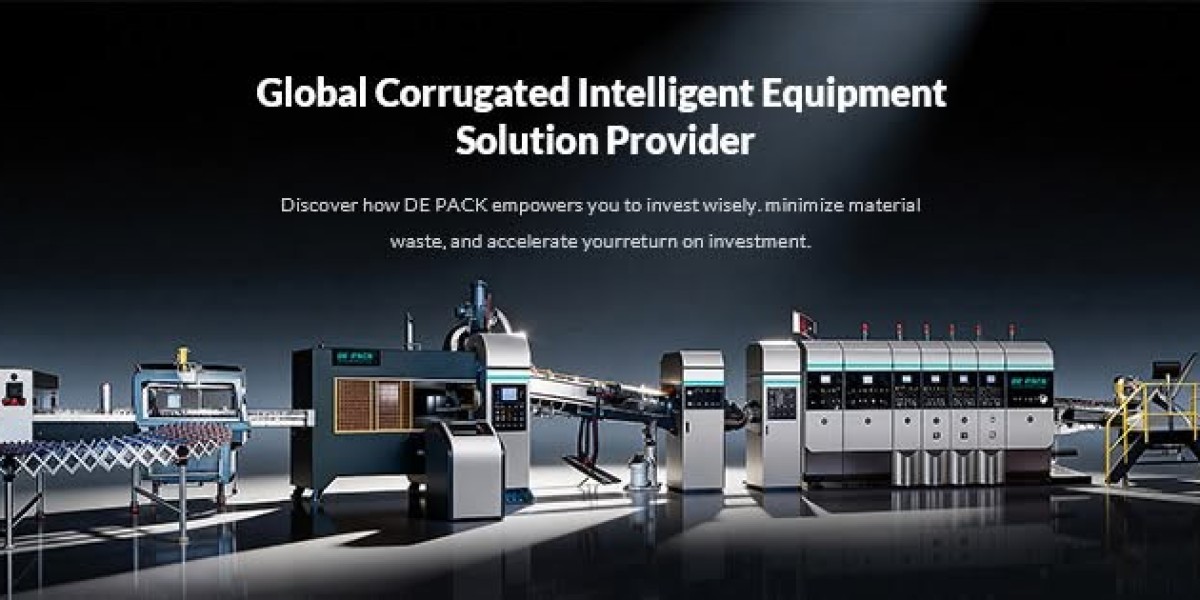
Today’s corrugated box production is far more advanced than traditional methods. Instead of relying on separate standalone machines, modern factories use integrated production lines that connect every stage of manufacturing. Corrugation, printing, die-cutting, folding, and gluing are now combined into a seamless automated process. This integration helps reduce manual intervention, minimize errors, and significantly increase production speed.
Automation has become the core driver of efficiency in the packaging industry. Intelligent control systems equipped with sensors and digital monitoring tools allow machines to operate with high precision. These systems continuously adjust parameters such as alignment, pressure, and speed to ensure consistent output quality. As a result, manufacturers can achieve higher productivity while reducing material waste and operational costs.
High-speed printing technology has also transformed packaging production. Modern flexographic printing machines produce sharp, vibrant, and consistent graphics directly on corrugated surfaces. This is especially important in today’s competitive market, where packaging is not only a protective layer but also a powerful branding tool. High-quality printing enhances product presentation and helps businesses build stronger brand recognition.
Machine durability and reliability are essential for large-scale production environments. Packaging factories often operate 24/7, requiring equipment that can withstand continuous use without frequent breakdowns. Well-engineered machines ensure stable performance, reduce maintenance requirements, and support long-term operational efficiency, making them a valuable investment for manufacturers.
In the middle of this industrial transformation, companies increasingly rely on Corrugated Cardboard Machine Manufacturers to access advanced production solutions tailored to their needs. These manufacturers provide complete systems, including high-performance machinery, technical expertise, and customized configurations that help businesses optimize workflow and maximize production efficiency.
Flexibility is another key advantage of modern corrugated machinery. Manufacturers must quickly adapt to changing customer demands, including different box sizes, shapes, and printing designs. Modular machine systems allow easy upgrades and adjustments without replacing entire production lines, enabling businesses to remain agile in a fast-changing market.
Sustainability is also becoming a major focus in packaging production. Modern machinery is designed to reduce energy consumption, minimize waste, and optimize raw material usage. These improvements not only lower operational costs but also support global environmental goals, making eco-friendly production a strategic advantage for manufacturers.
Digital transformation is further enhancing efficiency across the industry. Smart technologies such as predictive maintenance, real-time monitoring, and automated inspection systems allow manufacturers to detect issues early and maintain consistent production quality. These innovations help reduce downtime and improve decision-making across the entire manufacturing process.
As global demand for corrugated packaging continues to rise, companies that invest in advanced machinery will gain a strong competitive edge. By embracing automation, intelligent systems, and sustainable manufacturing practices, businesses can improve efficiency, reduce costs, and achieve long-term success in the evolving packaging industry.