


A smooth fix starts with a grounded strategy, not a panic. In our experience, early choices snowball into faster visits, fewer callbacks, and steadier system life. The same applies to HVAC across homes and light commercial spaces; practical steps today shape quieter summers and safer winters tomorrow. Picture a measured playbook that moves from scoping, to parts, to scheduling, to risk controls, and finally to ongoing care. We’ll cut vague talk and focus on actions you can use. Along the way, we’ll show how disciplined coordination trims wasted time, and how vetted components prevent repeat failures. The end goal is comfort with fewer surprises. You’ll find examples from real-world visits, like starter swaps and drain fixes, plus how to prep your space for quick in-and-out work. Save this guide so the next warm front doesn’t catch you off guard.
Map clear goals and milestones for dependable fixes
Start with a simple scope that names symptoms, rooms affected, and notable changes like thermostat settings or filter moves. ac repair greenville
List the no-cooling events by time of day so the tech can zero in on the likely cause. This saves minutes on-site, which can save you a whole day. Pair that with clear goals: restore stable supply temps, quieten rattles, or remove a persistent fault code. When everyone sees the same target, decisions get faster.
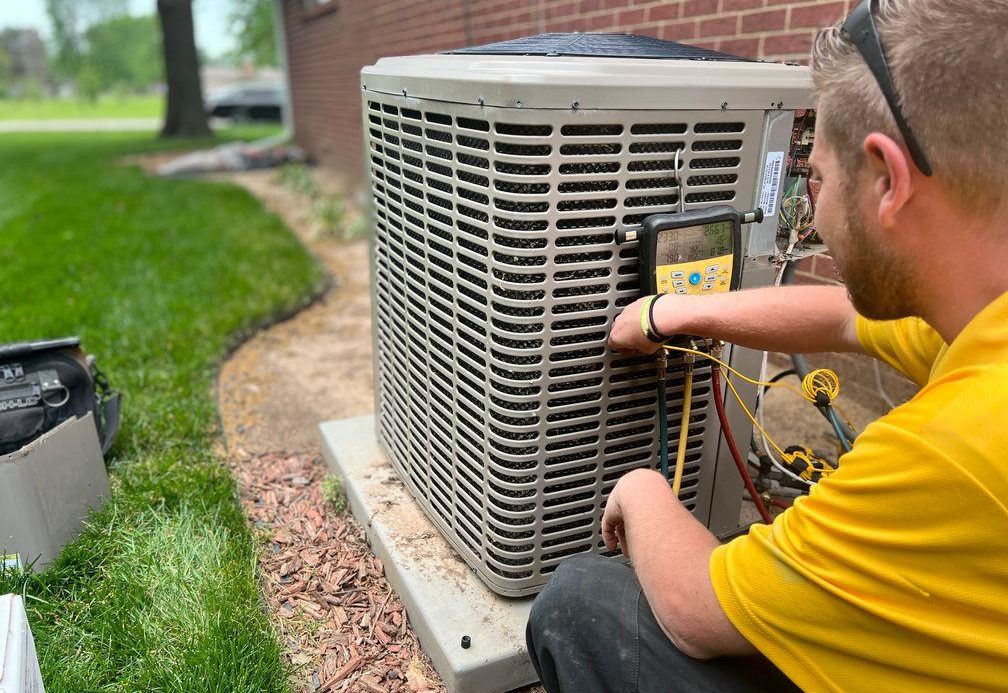
Offer quick visuals of the outdoor unit showing lights, ice, or drip patterns before the visit. Pictures trim confusion and support cleaner estimates. Group constraints too: pets in the hall, kids’ nap times, or noise limits on your block. These details sound small, but they steer the whole job. If access is tricky, mark the path with painter’s tape.
Choose compatible parts and smart inputs that last
A strong result depends on matching parts, not just grab-bag swaps. ac repair greenville
Bring the model and serial data so capacitors match ratings and fit without hacks. Close-enough parts invite hot starts and short life. Ask for brand-equivalent when critical pieces fail, and refresh wear items together, like filters with belts or grommets with fan kits. This one-trip mindset reduces downtime and stack-up fees.
For refrigerant-side work, demand clean lines, new driers, and weighed-in charges verified by subcool methods. Numbers, not hunches, confirm a stable fix. Keep a visible bin of spares: the right filter size, a spare thermostat battery, and labeled media. Prepared spaces look small but pay big. A quick inventory photo becomes a time-saver next season.
Coordinate crew steps and windows for low-disruption service
Time windows work when both sides hold the same expectations. ac repair greenville
Block a real slot that includes arrival, diagnostic checks, and a buffer for unplanned cleaning. A stacked schedule looks efficient until one delay nukes the rest. Confirm door codes, driveway clearance, and panel access in the morning text. Little frictions vanish when routes and keys are squared away.
Set hand-off rules if a property manager or neighbor must cover your spot. Single-thread communication avoids crossed wires. Map noisy tasks—like hammer use or coil washing—to off-peak hours and keep indoor steps contained. This keeps remote work and nap times intact. For complex sites, sequence ladder work, attic checks, and register balancing to avoid crew pileups. Clear handoffs reduce idle time and lift quality.
Control surprises with tests and documented workmanship
Quality is a process, not a last-minute guess. ac repair greenville
Ask for a after reading set—amps, delta-T, and line numbers—so results are verifiable. If the numbers drift, the story isn’t over. Expect leak checks after any opened joint and insulation repairs on lines that rub. Leaving lines bare just invites repeat calls. Request photos of connections, drain traps, and pitch on trays, with a sentence on what changed. Photos lock in accountability and speed future visits.
Risk also lives in the panel, where weak breakers and brittle ducts hide. Tiny preventive moves beat big repairs. Standardize with plain checklists: secure lugs, test float switches, and flush drains after cleaning. Repeatable steps shrink variance and lift results. Keep a log of date-stamped fixes on the unit’s side wall for the next tech’s eyes. A shared memory shortens diagnostics and trims your bill.
Sustain comfort with steady care and lifecycle moves
The best fix holds when filter health stays clean. ac repair greenville
Set simple reminders to change filters, vacuum returns, and clear supply paths from drapes or furniture. Airflow is the quiet hero that keeps parts cool. Wash outdoor coils with low-pressure methods and keep shrubs a couple feet back. A tidy pad stops vibration and rodent nests alike. Schedule shoulder-season checks where temps are mild and rates are friendlier. You’ll fix small trends before they become big bills.
Think lifecycle: replace frequent-failure controls and add surge safeties before they fail on a heatwave. Upgrades on your schedule cost less stress. Track operating costs with a monthly sheet to spot rising kWh or runtime. Trends whisper before parts shout. If upgrades loom, weigh staged improvements—duct sealing now, a smarter stat next quarter, and full equipment later. Phased steps spread cost and reduce disruption.
Budget choices with line-item estimates and right-sized expectations
Costs make sense when scope and labor are itemized. ac repair greenville
Ask for a good-better-best plan spelling out parts quality, warranties, and timeline assumptions. Clarity reduces second-guessing after the truck leaves. Compare long-run math: energy use, filter intervals, and recheck odds under each path. The cheapest ticket can be the priciest ride later. Favor proposals that show diagnostics steps, not just a part and price. Proof beats promises when weather hits hard.
Match spend to risk targets: silence a noise now, tame a hot room next, and cap leaks before extreme days. Stacking small wins builds big stability. Keep a reserve for attic surprises or rusted fasteners that burn extra time. Contingency lines stop arguments and keep work moving. Ask what fails if you defer an item, and how that affects uptime. Knowing the downside helps you choose with eyes open.
Conclusion
Strong outcomes follow a simple rhythm: set mutual goals, fit the right parts, protect the schedule, verify with numbers, and maintain on cadence. Do these five and most surprises vanish. Your home or light commercial space runs calmer when planning, inputs, timing, risk control, and care all pull together. Start small this week, and the next heatwave will feel ordinary.