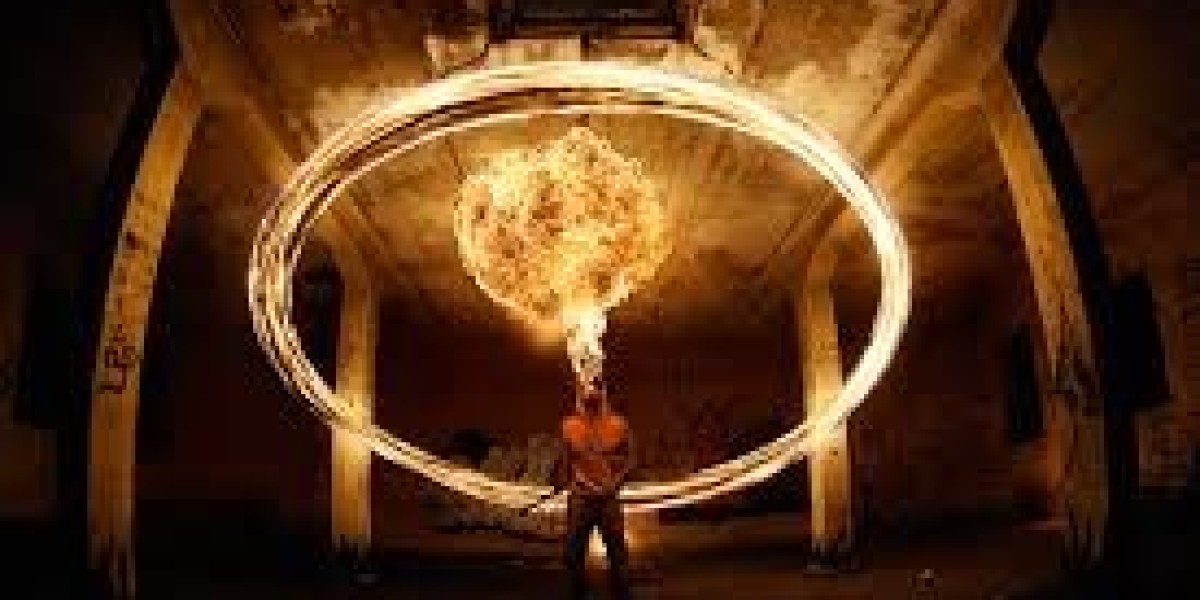

Let's be honest — the first time most people see fire twirling, their brain has two reactions at once: "That's incredible" and "That looks terrifying." And that second reaction isn't wrong. You're literally spinning open flame around your body. So the question deserves a real answer, not a marketing one.
Here's the truth: fire twirling is risky, but it's far more manageable than most people assume — as long as you respect it and prepare properly. Let's break down exactly what the risks are, what gear actually protects you, and how experienced performers keep themselves (mostly) burn-free.
So, How Dangerous Is It Really?
Fire twirling sits in a strange middle ground. It's not as reckless as it looks, but it's definitely not risk-free either. Most injuries aren't dramatic, full-body burns — they're small, localized burns from wick contact, dripping fuel, or a moment of lost focus.
The real danger usually comes from three things:
- Inexperience — jumping into fire before mastering the same moves without flame
- Bad equipment — cheap wicks, unstable staffs, or poor-quality fuel
- Environment — performing near flammable surfaces, dry grass, or in windy conditions
Notice something? None of these are about fire itself being "too dangerous" to attempt. They're about preparation gaps. That's actually good news, because it means the risk is largely within your control.
Common Injuries (And They're Usually Minor)
Most fire performers will tell you the same thing: small burns happen, and they're rarely a big deal once you know what you're doing. Typical injuries include:
- Small burns on hands, wrists, or forearms from wick contact
- Singed hair or eyebrows (more common than people expect)
- Minor fuel splashes on skin during dipping or lighting
- Burns from touching a prop too soon after extinguishing it
Serious injuries — like major burns or clothing catching fire — are rare among trained performers, but they do happen when someone skips steps: performing without a spotter, using synthetic clothing, or attempting new tricks with fire before nailing them cold.
The Safety Gear That Actually Matters
If you're serious about fire twirling, gear isn't optional — it's the whole game. Here's what experienced performers never skip:
Wicks made for fire performance. Kevlar or fiberglass wicks are designed to hold fuel evenly and burn predictably. Random cotton wraps are a shortcut to disaster.
The right fuel. White gas or purpose-made fire performance fuel burns cleaner and more predictably than random accelerants people try to substitute. Never guess here.
Natural fiber clothing. Cotton, wool, or leather. Synthetic fabrics like polyester melt onto skin when they catch — which turns a small mistake into a serious injury.
A fire blanket or wet towel nearby. Always. Every single time. No exceptions.
A safety spotter. This is non-negotiable for beginners. A second person watching for fuel drips, wind shifts, or a prop that needs to be put out immediately can prevent almost every serious incident.
A designated fuel dip station, away from your performance area, so you're never lighting up near your fuel supply.
Precautions That Separate Beginners From Pros
Here's something a lot of newcomers don't expect: the safest fire performers spend way more time practicing without fire than with it. Learning your routine cold — no flame, no fuel — until it's muscle memory is the single biggest safety habit in this craft.
Beyond that, a few non-negotiables:
- Always check wind conditions before lighting up. Wind is unpredictable, and it's one of the biggest wildcard risks.
- Perform on non-flammable surfaces, away from dry grass, curtains, or crowds standing too close.
- Never perform fire twirling after drinking or when overtired. Reaction time matters more than people realize.
- Know how to safely extinguish your prop and yourself before you ever light up.
- Start with short burn times. You don't need a five-minute set on day one.
Should This Scare You Off?
Not at all. Thousands of performers around the world do this safely, night after night, precisely because they treat fire with respect instead of fear. The people who get hurt are almost always the ones who skipped the boring parts — the practice, the gear, the spotter — because they wanted to rush to the exciting part.
Fire twirling rewards patience. Master it without flame first, invest in real gear, never perform alone, and always respect your environment. Do that, and the "dangerous" reputation becomes something you manage — not something that manages you.
If you're just getting started, that's exactly where every experienced fire performer once stood too. The flame doesn't care about your experience level — but your preparation absolutely determines your outcome.