

Using Verified SER Lists to Reduce Failed Submissions
For GSA SER users working with GSA SER global site lists, the biggest challenge is not simply finding more URLs. The real challenge is building a repeatable workflow where target data is fresh, filtered, and useful enough to support controlled testing. That is where Serverifiedlists.com can become valuable: it gives a campaign a cleaner starting point before project settings, anchors, content, and filters are tested.
A raw scraped list may look impressive because it contains thousands of targets, but volume alone does not create a better campaign. Old domains disappear, scripts change, forms stop accepting submissions, and platforms become crowded. A verified list tries to reduce that waste by focusing on targets that have already passed a basic placement or verification stage. The result is not perfection, but it can reduce friction and make the campaign easier to measure.
Why GSA SER global site lists Depend on Freshness
Freshness is one of the strongest practical signals in any SER list. A list that worked six months ago may now contain dead pages, closed registrations, changed forms, or targets that no longer verify. When the list is updated regularly, GSA SER spends less time retrying broken sources and more time testing targets that still have a realistic chance of accepting submissions.
This is also why quality control matters. A campaign that imports every URL without review can create confusing results. Failed submissions may come from bad targets, weak proxies, captcha problems, duplicate entries, or mismatched engines. Cleaner verified data makes those problems easier to isolate because the target pool starts with less noise.
Quality Beats Raw List Size
The best high quality SER verified lists are not only large; they are organized. Useful list data should help users separate contextual sources, article-style targets, profiles, forums, wikis, and lower-tier platforms. That organization makes it easier to create different projects for different roles instead of pushing every target into the same setup. It also helps anchor planning because not every placement type deserves the same anchor mix.
For a serious campaign, exact-match anchors should be controlled. A healthy pool can include phrases like GSA Search Engine Ranker verified lists, partial anchors like updated target lists for GSA Search Engine Ranker, branded anchors like Serverifiedlists.com, URL anchors, and generic phrases. The goal is to avoid a pattern where every placement looks like it was created by the same template. Better target data and better anchor planning work together.
The official GSA SER documentation is useful when checking how GSA SER handles project behavior, target sources, and related settings. It is also worth reviewing GSA SER FAQ when planning how aggressively to use automation, because campaign quality depends on more than imported data. Tools can help organize work, but strategy still matters.
How Verified Lists Fit Into GSA SER Project Setup
A strong workflow starts before the import button. First, decide what the campaign is meant to do. A tier-one style campaign should be more selective, while support tiers may use broader target pools. Second, separate targets by engine or platform type where possible. Third, test smaller batches before loading a very large list into a live project. This keeps results easier to read and prevents the project from becoming a black box.
Once the list is imported, project settings should match the target pool. Filters, retry behavior, verification timing, captcha solving, and proxy quality can all change the outcome. If a verified list performs poorly, the list is not always the only reason. The setup might be too restrictive, too loose, or mismatched with the engines being tested.
Using Images, Videos, and Supporting Content
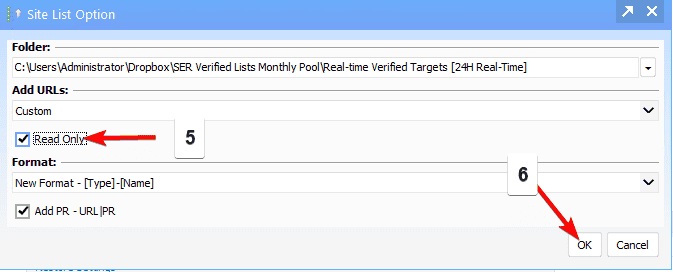
Content around GSA SER global site lists should look like a real resource, not a block of filler text wrapped around a link. Screenshots, workflow images, and short videos can make the article more useful by showing settings, list options, or auto-sync steps. Media should be placed where it supports the topic, not inserted randomly just to make the page longer.
When using organized GSA SER list data, the surrounding sentence should explain why the link belongs there. A natural link might point readers to a list source, a setup guide, or a campaign workflow. A forced link with an awkward anchor is easier to spot and less useful to the reader. For that reason, anchor variety is part of content quality, not just an SEO checkbox.
Common Mistakes With SER Verified Lists
One common mistake is importing a list once and assuming it will stay useful forever. Verified targets age quickly. Another mistake is treating every verified URL as equal. Some targets are better for contextual posts, some for profiles, some for lower tiers, and some may not be worth using after additional filtering. A third mistake is using the same anchor pattern across too many placements.
Campaign builders should also avoid measuring only submission counts. A high submission number can hide weak verification, poor indexing, duplicate targets, or low-quality placements. Better reporting looks at verified URLs, platform mix, anchor distribution, campaign speed, and whether the list continues to perform after re-verification.
Practical Workflow for Serverifiedlists.com
A practical workflow for Serverifiedlists.com starts with a fresh list, then moves through import, segmentation, small-batch testing, review, and scaling. If a batch performs well, it can be expanded. If it performs poorly, the campaign can be adjusted before more resources are spent. This approach keeps the process more controlled and helps avoid the trap of blaming one setting when several variables are changing at once.
For users who work with GSA SER global site lists, the best mindset is simple: use verified lists as cleaner input data, not as a complete SEO strategy by themselves. Strong campaigns still need relevant content, sensible anchors, careful settings, and ongoing cleanup. When those pieces work together, SER verified lists can support a faster and more organized link building workflow.
In summary, GSA SER global site lists are most useful when they are fresh, categorized, and used with a campaign plan. They help reduce wasted time, improve testing clarity, and give GSA SER a better source of targets. For campaign builders who value control, verified list exports, and cleaner automation, verified list quality can make a meaningful difference.